


How to Tell If Your Cat Has Kidney Disease
If you’ve noticed your cat drinking more water than usual, losing weight without explanation, or becoming increasingly lethargic, you may be wondering how to tell if your cat has kidney disease. The short answer: these are some of the most common warning signs, and early detection makes a significant difference in your cat’s quality of life. At Cornerstone Veterinary Clinic in Piqua, OH, we help cat owners identify kidney disease in cats before it progresses, giving your feline companion the best possible outcome.
What Is Kidney Disease in Cats?
Kidney disease in cats, also called feline renal disease or feline chronic kidney disease (CKD), is one of the most common health conditions affecting cats, especially those over the age of seven. The kidneys play a critical role in filtering waste from the bloodstream, regulating hydration, and maintaining electrolyte balance. When the kidneys begin to fail, these functions break down, and toxins accumulate in your cat’s body.
There are two primary forms of this condition. Acute kidney disease in cats develops suddenly, often due to toxin ingestion, infection, or physical trauma. Chronic kidney disease in cats, the more common form, develops gradually over months or years. Because CKD progresses slowly, many cats don’t show obvious symptoms until significant kidney function has already been lost, which is why routine wellness exams at Cornerstone Veterinary Clinic are so important.
Which Cats Are Most at Risk?
Any cat can develop kidney disease, but certain factors increase the risk. Older cats, particularly those over 10, are significantly more vulnerable. Purebred cats such as Persians, Abyssinians, and Siamese also have higher genetic predispositions. Cats with a history of urinary tract infections, high blood pressure, or dental disease may also be at greater risk, since chronic infections and inflammation can damage kidney tissue over time.
How to Tell If Your Cat Has Kidney Disease: The Most Common Signs
Knowing the symptoms of kidney disease in cats is one of the most important things you can do as a pet owner. Because cats are instinctively good at hiding discomfort, the signs can be subtle at first. Here’s what to look for:
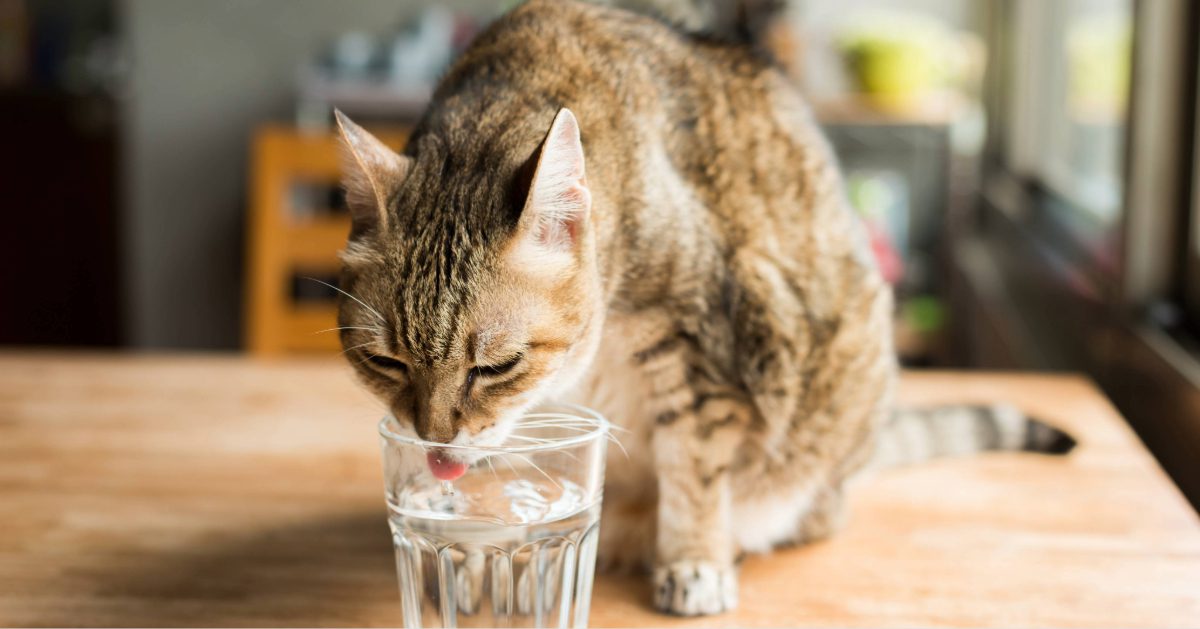
- Increased thirst and urination: One of the earliest and most telling signs of feline kidney disease is drinking and urinating more than normal. As the kidneys lose their ability to concentrate urine, cats compensate by drinking more water.
- Weight loss and muscle wasting: Unexplained weight loss, especially loss of muscle along the spine and hindquarters, is a hallmark sign of chronic kidney disease in cats.
- Decreased appetite: Cats with kidney disease often feel nauseous due to the buildup of toxins in the bloodstream, which leads to a loss of interest in food.
- Lethargy and weakness: A cat that seems unusually tired, less playful, or disinterested in daily activities may be showing early kidney disease symptoms.
- Vomiting and diarrhea: The accumulation of waste products in the blood, a condition called uremia, commonly causes gastrointestinal upset.
- Bad breath with a chemical or ammonia-like odor: This distinctive smell is often caused by uremic toxins affecting the body.
- Poor coat condition: A dull, unkempt coat can indicate your cat isn’t feeling well enough to groom properly.
Can a Cat Have Kidney Disease Without Obvious Symptoms?
Yes, and this is exactly what makes cat kidney disease so challenging. In the early stages, many cats appear completely normal. By the time visible symptoms appear, a cat may have already lost 65–75% of kidney function. This is why the team at Cornerstone Veterinary Clinic recommends annual blood and urine testing for cats over seven years old, and more frequent monitoring for cats already diagnosed with early kidney disease.
How Is Kidney Disease in Cats Diagnosed?
If you suspect your cat may have kidney disease, the first step is a comprehensive veterinary examination. At Cornerstone Veterinary Clinic, our veterinarians use a combination of diagnostic tools to accurately assess kidney function and determine the stage of disease.
Blood Tests
A complete blood panel measures levels of creatinine, blood urea nitrogen (BUN), and phosphorus, all of which rise when the kidneys aren’t filtering properly. Symmetric dimethylarginine (SDMA) is a newer biomarker that can detect kidney disease in cats earlier than traditional blood markers, sometimes identifying the disease when as little as 25% of kidney function is lost.
Urinalysis
Urine testing helps evaluate how well the kidneys are concentrating urine and whether there is protein loss (a sign of kidney damage) or signs of infection. Cats with kidney disease typically produce very dilute urine, which reflects the kidneys’ inability to perform one of their core functions.
Imaging
X-rays allow our veterinarians to evaluate kidney size, shape, and structure. Kidneys that appear shrunken, irregular, or asymmetric can help confirm a diagnosis and reveal potential underlying causes such as cysts, stones, or tumors.
Blood Pressure Measurement
Hypertension is both a cause and a consequence of kidney disease in cats. Measuring your cat’s blood pressure is an important part of a complete kidney disease workup, as uncontrolled high blood pressure can accelerate kidney damage and cause additional complications such as retinal detachment and blindness.
What Are the Stages of Kidney Disease in Cats?
The International Renal Interest Society (IRIS) has developed a staging system for chronic kidney disease in cats, ranging from Stage 1 (early/mild) to Stage 4 (advanced/severe). Understanding your cat’s stage helps guide treatment decisions and set realistic expectations.
- Stage 1: Minimal kidney damage; cats are usually asymptomatic. Early detection through SDMA testing is key at this stage.
- Stage 2: Mild kidney insufficiency with mildly elevated creatinine levels. Cats may show subtle signs such as increased thirst.
- Stage 3: Moderate kidney failure with more noticeable symptoms including weight loss, vomiting, and appetite changes.
- Stage 4: Severe kidney failure with significant clinical signs. Quality of life management and palliative care become the primary focus.
How Is Feline Kidney Disease Managed?
While there is currently no cure for chronic kidney disease in cats, the condition is manageable, especially when caught early. Our veterinarians at Cornerstone Veterinary Clinic work closely with cat owners to create individualized care plans that slow the progression of the disease and support your cat’s comfort and quality of life.
Prescription Kidney Diets
Nutrition is one of the most powerful tools in managing kidney disease in cats. Veterinary prescription diets formulated for kidney disease are low in phosphorus and protein, which reduces the workload on damaged kidneys and slows disease progression. Getting a cat to accept a new diet can be challenging, and our team can offer strategies to make the transition as smooth as possible.
Hydration Support
Cats with kidney disease are prone to dehydration, which worsens kidney function. Wet food diets, water fountains, and in some cases, subcutaneous fluid therapy administered at home or at our clinic, can help keep your cat hydrated and support kidney function.
Medications and Supplements
Depending on your cat’s specific needs, treatment may include phosphate binders, anti-nausea medications, blood pressure medications, and potassium supplements. Each cat’s kidney disease management plan is tailored to their individual lab values, symptoms, and overall health.
Regular Monitoring
Once diagnosed with kidney disease, cats require more frequent veterinary check-ups, often every three to six months. Repeat bloodwork and urinalysis allow our veterinarians to track disease progression and adjust the treatment plan accordingly.
Frequently Asked Questions About Kidney Disease in Cats
How long can a cat live with kidney disease?
Prognosis depends heavily on the stage at diagnosis and how well the disease is managed. Cats diagnosed at Stage 1 or 2 and managed appropriately can live for several years with good quality of life. Cats diagnosed at Stage 3 or 4 may have months to a year or more, depending on their response to treatment.
Is kidney disease painful for cats?
Kidney disease can cause nausea, fatigue, and discomfort, particularly in more advanced stages. With proper management, however, many cats remain comfortable and engaged in daily life for an extended period.
Can kidney disease in cats be prevented?
While not all cases can be prevented (especially those with a genetic component) routine wellness care, a balanced diet, fresh water access, and regular veterinary blood and urine screening significantly reduce risk and support early detection.
Your Cat’s Kidney Health Starts With a Conversation
Knowing how to tell if your cat has kidney disease and acting on those signs early can make a meaningful difference in your cat’s life. If your cat is showing any of the symptoms described above, or if it’s been more than a year since their last wellness exam, now is the time to schedule a visit.
At Cornerstone Veterinary Clinic in Piqua, OH, our compassionate team is here to guide you through every stage of your cat’s health journey. Whether you’re concerned about early kidney disease symptoms or looking to establish a preventive care routine, we’re ready to help. Call us today at (937) 773-8060 or book an appointment online.
Recent Posts
About Us
Small description of the practice goes here - maybe pull from the About Us page?