

Cat & Dog Spay and Neuter Surgery in Piqua, OH
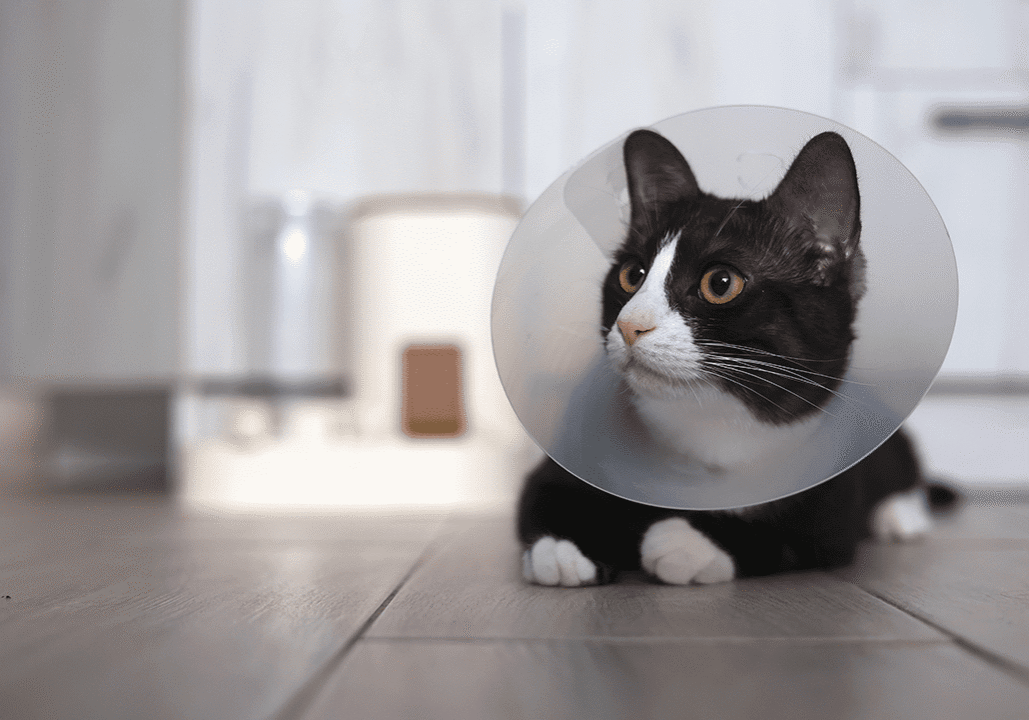
Spaying or neutering your pet is an important part of planning for their long-term health. These routine surgeries can prevent unwanted pregnancies, eliminate or reduce certain reproductive health risks, and help manage some hormone-related behaviors.
Cornerstone Veterinary Hospital of Saratoga Springs provides cat and dog spay and neuter surgery in Saratoga Springs, NY, with recommendations tailored to your pet’s age, breed, size, health, and lifestyle. Our veterinary team can help you determine when to schedule surgery and explain what to expect before, during, and after the procedure.
Call us at (937) 770-8558 or schedule a spay and neuter consultation today.
What Are the Benefits of Spaying or Neutering Your Dog or Cat?
Spaying removes the ovaries and usually the uterus in female pets, while neutering removes the testicles in males. In addition to preventing reproduction, these procedures can provide several health and behavioral benefits throughout your pet’s life.
Yes. Spaying eliminates future heat cycles, along with behaviors and physical changes associated with them. This means female dogs will no longer experience heat-related bleeding, while female cats will no longer go through repeated cycles that may include increased vocalization, restlessness, and attempts to escape.
Spaying eliminates the risk of uterine infections and can reduce the risk of mammary tumors, particularly when performed at an appropriate age. Neutering eliminates the risk of testicular cancer and may reduce the likelihood of certain prostate conditions.
Your veterinarian can explain how these benefits apply to your pet based on their age and medical history.
Spaying and neutering may reduce behaviors influenced by reproductive hormones. Depending on the pet, this can include roaming, urine marking, mounting, or behaviors associated with heat cycles.
These procedures do not replace training or address every behavioral concern, but they may help reduce certain hormone-driven behaviors.
Spaying and neutering may reduce several risks that can affect a pet’s health and safety. Preventing reproductive diseases and reducing the urge to roam can lower the likelihood of certain illnesses, fights, accidents, or injuries.
Many factors influence lifespan, so spaying or neutering should be viewed as one part of a broader preventive care plan.
Spaying and neutering prevent unplanned litters and help reduce the number of unwanted dogs and cats entering shelters and rescue organizations. Choosing to have your pet altered is one way pet owners can contribute to responsible population management in Saratoga Springs and surrounding communities.
What Happens During a Spay or Neuter Surgery?
Before surgery, your veterinarian evaluates your pet to make sure they are ready for anesthesia and the procedure. Pre-anesthetic testing may also be recommended to provide additional information about your pet’s health.
Your pet is placed under general anesthesia and closely monitored throughout surgery. A spay involves removing the reproductive organs through an abdominal incision, while a neuter involves removing the testicles through a smaller surgical incision.
After surgery, your pet is monitored during recovery and sent home with specific aftercare instructions.
If you have any questions about spaying or neutering your pet, give us a call at (937) 770-8558 or book a consultation online!
Frequently Asked Questions About Cat & Dog Spay and Neuter
Most dogs and cats begin feeling more like themselves within a few days after spay or neuter surgery, but complete healing typically takes about 10–14 days. During this time, your pet should avoid running, jumping, rough play, and other strenuous activity so the incision can heal properly. Female pets may need a little more recovery time because spaying involves abdominal surgery.
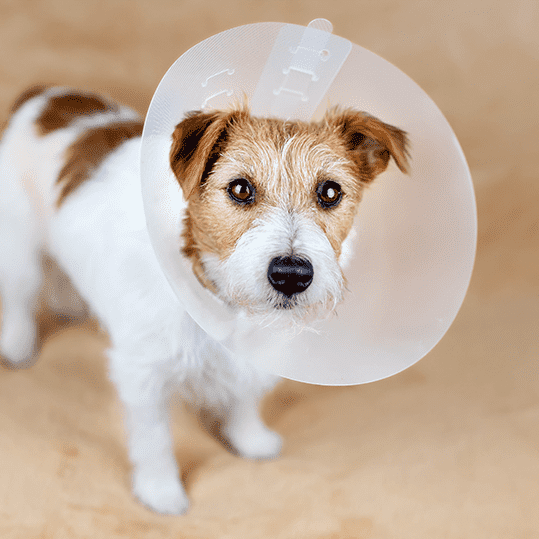
After spay or neuter surgery, keep your pet calm, comfortable, and indoors while they recover. Limit running, jumping, stairs, and rough play for about 10–14 days, and check the incision daily for swelling, redness, discharge, or opening. Your pet may also need to wear an e-collar or recovery suit to prevent licking or chewing the surgical site. Follow all discharge instructions from your veterinarian, including directions for feeding and prescribed medications.
Yes, a dog or cat can sometimes be spayed while in heat, but the procedure may be more complicated because the reproductive tissues have an increased blood supply during this time. Depending on your pet’s age, health, and circumstances, your veterinarian may recommend waiting until the heat cycle has ended. Cornerstone Veterinary Hospital can help determine the safest timing for your individual pet.
Spaying or neutering should not change the core personality that makes your pet who they are. Your dog or cat should still have the same affectionate, playful, social, or independent traits after surgery. However, hormone-related behaviors such as roaming, urine marking, mounting, or behaviors associated with heat cycles may decrease after spaying or neutering.