


Vaccination Needs for Indoor vs Outdoor Cats
One of the most common questions cat owners ask is whether vaccination needs for indoor vs outdoor cats are really that different. The answer is yes and no. While all cats need certain core vaccines regardless of lifestyle, outdoor cats face a broader range of disease exposure that changes their vaccination requirements significantly. At Cornerstone Veterinary Clinic in Piqua, OH, we help cat owners make informed decisions about their cat’s vaccination schedule based on their individual lifestyle and risk factors.
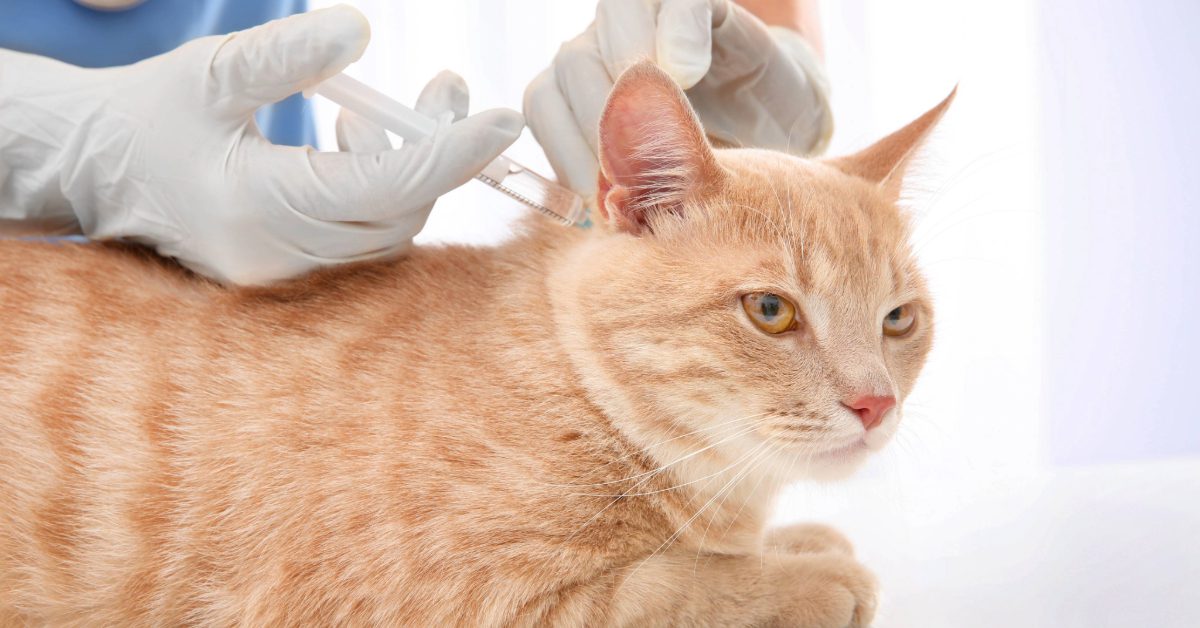
Why Do Cats Need Vaccines at All?
Vaccines work by training your cat’s immune system to recognize and fight specific infectious diseases. Without vaccination, cats are vulnerable to potentially serious and sometimes fatal illnesses. Some of these diseases spread through direct contact with infected animals, while others can be transmitted through contaminated environments or even indirectly through items you bring inside your home.
Understanding cat vaccination needs starts with knowing the difference between core and non-core vaccines. Core vaccines are recommended for every cat, regardless of lifestyle. Non-core vaccines are given based on a cat’s specific risk of exposure, which is where the indoor vs outdoor distinction becomes most important.
Core Vaccines Every Cat Needs
Whether your cat is a confirmed homebody or an adventurous explorer, certain vaccines are considered essential.
FVRCP (Feline Viral Rhinotracheitis, Calicivirus, and Panleukopenia)
The FVRCP combination vaccine protects against three highly contagious and potentially life-threatening diseases. Feline viral rhinotracheitis (caused by feline herpesvirus) and calicivirus are both major causes of upper respiratory infections in cats. Panleukopenia, also called feline distemper, attacks the immune and digestive systems and can be rapidly fatal, especially in kittens. This vaccine is a non-negotiable part of any cat’s vaccination schedule.
Rabies
Rabies vaccination is required by law in most states, including Ohio, regardless of whether a cat lives exclusively indoors. This is because rabies poses a significant public health risk. Even strictly indoor cats can potentially encounter a bat or other wildlife that enters the home. At Cornerstone Veterinary Clinic, we vaccinate all cats for rabies and offer both one-year and three-year formulations.
Do Indoor Cats Really Need Vaccines?
This is a question we hear often, and it’s a fair one. If your cat never goes outside, why would they need protection against diseases that spread through other animals? The truth is, indoor cats still have meaningful exposure risks that make vaccination necessary.
- New pets entering the household: If you adopt a second cat or temporarily foster, your indoor cat can be exposed to diseases the newcomer carries.
- Accidental escapes: Even the most carefully managed indoor cat can bolt out an open door and encounter neighborhood cats or wildlife.
- Owner transmission: Some pathogens, like panleukopenia virus, can survive in the environment and be inadvertently carried home on your clothing or shoes.
- Veterinary visits: Exposure can occur in waiting rooms or during boarding, even at well-managed facilities.
- Wildlife in the home: Bats, mice, and other small animals occasionally enter homes and can transmit diseases including rabies.
For these reasons, the vaccination needs for indoor cats include, at minimum, the FVRCP series and rabies vaccine. The risk may be lower than for outdoor cats, but it is never zero.
Vaccination Needs for Outdoor Cats and Indoor-Outdoor Cats
Cats that spend any time outdoors face a significantly expanded range of disease risks. Outdoor cats come into contact with other cats, wildlife, contaminated soil, standing water, and insects, all of which can expose them to infectious agents that indoor cats rarely encounter. The vaccination needs for outdoor cats reflect this broader exposure and typically include several non-core vaccines in addition to the core ones.
Feline Leukemia Virus (FeLV)
Feline leukemia virus is one of the most important non-core vaccines for outdoor cats. FeLV spreads through close contact such as shared food and water bowls, mutual grooming, and bites from infected cats. It suppresses the immune system and can lead to anemia, cancer, and death.
Feline Immunodeficiency Virus (FIV)
FIV, sometimes called feline AIDS, is transmitted primarily through deep bite wounds, like the kind that occur during territorial fights between outdoor cats. While a vaccine was previously available, it is no longer marketed in the United States, making prevention through bite avoidance and neutering (which reduces fighting behavior) the primary protective strategies.
How Often Do Cats Need Vaccines?
The vaccination schedule for cats varies based on the specific vaccine, the cat’s age, and their lifestyle. Kittens require a series of vaccines given several weeks apart to build adequate immunity. Adult cats then receive boosters on a schedule determined by their veterinarian.
- FVRCP: Kittens receive a series of vaccines at 6–8, 10–12, and 14–16 weeks of age. After an initial adult booster, this vaccine is typically given every three years for low-risk cats.
- Rabies: Given once to kittens, then boostered annually or every three years depending on the vaccine formulation and local regulations.
- FeLV: Kittens and at-risk adult cats are vaccinated annually; some cats with low ongoing exposure may be transitioned to every two years after initial vaccination.
At Cornerstone Veterinary Clinic, we don’t follow a one-size-fits-all approach. Our veterinarians assess each cat’s individual risk factors during their annual wellness exam and customize the vaccination schedule accordingly.
What About Side Effects From Cat Vaccines?
Cat vaccines are generally very safe, and serious adverse reactions are rare. Most cats experience no side effects at all, or only mild, short-lived ones. Here’s what to watch for in the day or two following vaccination:
- Common mild reactions include lethargy, mild soreness at the injection site, and a slight decrease in appetite. These typically resolve within 24–48 hours without intervention.
- More significant reactions such as facial swelling, vomiting, difficulty breathing, or collapse are rare but require immediate veterinary attention.
- Feline injection-site sarcoma, a rare tumor, is a known risk associated with vaccination, which is why our veterinarians use careful injection site selection and monitoring protocols.
Are Vaccines Still Worth It?
Absolutely. The diseases vaccines prevent are far more dangerous than the risk of side effects. Panleukopenia, rabies, and feline leukemia virus are serious, often fatal conditions. Vaccination is one of the most cost-effective ways to protect your cat’s long-term health.
Talking to Your Vet About Your Cat’s Vaccination Plan
Vaccination needs for indoor vs outdoor cats are not identical, but all cats benefit from a thoughtfully designed, up-to-date vaccination schedule. The best way to determine what’s right for your cat is to have an honest conversation with your veterinarian about your cat’s daily life, habits, and any planned changes like moving, introducing a new pet, or transitioning an indoor cat to partial outdoor access.
At Cornerstone Veterinary Clinic in Piqua, OH, we take the time to understand your cat’s unique situation and build a vaccination plan that gives them the protection they need. If you’re unsure whether your cat’s vaccines are current or want to discuss their lifestyle risk factors, call us at (937) 773-8060 to schedule a wellness exam or book an appointment online. We’re here to help you make the best decisions for your feline family member.
Recent Posts
About Us
Small description of the practice goes here - maybe pull from the About Us page?