


Why Does My Dog Have Bad Breath?
If you’ve been wondering why your dog has bad breath, it’s actually one of the top concerns dog owners bring to veterinary appointments. Bad breath in dogs, also called halitosis, is usually a sign of an underlying health issue, most commonly dental disease. At Cornerstone Veterinary Clinic in Piqua, OH, we want dog owners to understand that persistent dog bad breath is not something to ignore or simply mask with treats or dental chews. This blog will discuss the common causes of bad breath in dogs and when it’s time to schedule a visit with our team.
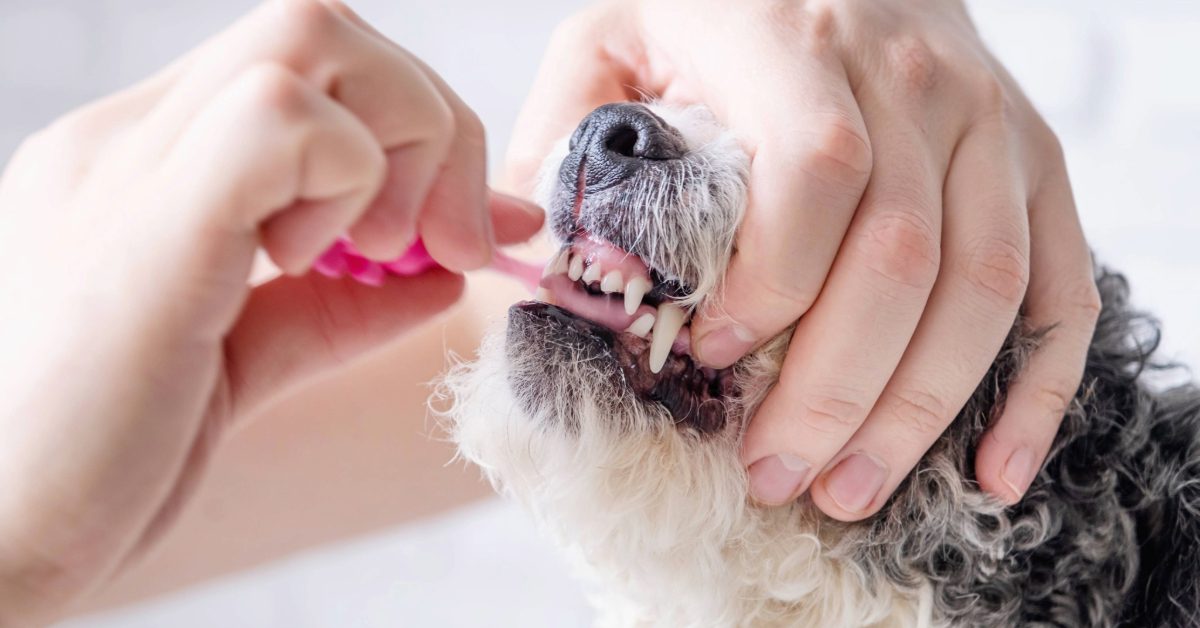
Is Bad Breath in Dogs Normal?
Dogs don’t naturally have minty-fresh breath, but a noticeable, persistent bad odor is not normal and usually indicates something going on that needs veterinary attention. Occasional mild odor after eating certain foods is one thing, but if your dog consistently has bad breath, especially if it’s gotten worse over time, it’s worth finding out why.
So if you’re wondering, “Why does my dog have bad breath?” The most common reason is periodontal disease, which affects the majority of dogs by the time they reach three years of age. But dog bad breath can also stem from other medical conditions affecting the kidneys, liver, and digestive tract.
The Most Common Causes of Bad Breath in Dogs
Understanding what causes bad breath in dogs helps you recognize when it’s time to call your veterinarian. Here are the most common culprits:
Periodontal Disease
Dental disease is by far the leading cause of bad breath in dogs. When plaque builds up on the teeth and isn’t removed through brushing or professional cleaning, it hardens into tartar. Tartar harbors bacteria that produce sulfur compounds, the source of that foul-smelling dog breath. As the disease progresses, it causes inflamed gums (gingivitis), gum recession, and eventual tooth loss. The bacteria associated with advanced periodontal disease can also enter the bloodstream, potentially affecting the heart, kidneys, and liver.
Oral Tumors or Foreign Bodies
Masses growing in the mouth, as well as objects lodged between teeth or in the gums, can cause localized infection and a notably foul odor. This type of dog bad breath often has a particularly strong, rotten smell and may be accompanied by drooling, pawing at the mouth, or reluctance to eat.
Kidney Disease
When the kidneys are not functioning properly, waste products accumulate in the bloodstream. One distinctive result is breath that smells like ammonia or urine. If your dog has bad breath with a chemical odor alongside symptoms like increased thirst, increased urination, or weight loss, kidney disease may be the cause.
Liver Disease
Liver disease can produce a musty or sweet-smelling bad breath in dogs, sometimes described as feculent or like feces. This is caused by metabolic byproducts the diseased liver cannot properly process. Liver disease is typically accompanied by other signs including yellowing of the eyes or skin, vomiting, and decreased appetite.
Diabetes
Diabetic dogs can develop a sweet or fruity-smelling breath caused by ketones in the bloodstream. This is a sign that the body is metabolizing fat instead of glucose for energy, a condition called diabetic ketoacidosis in severe cases. Sweet-smelling breath in a dog alongside excessive thirst and urination warrants an urgent veterinary visit.
Diet and Eating Habits
Dogs that eat garbage, feces (a behavior called coprophagia), or certain strongly scented foods will have temporary bad breath as a result. While unpleasant, this type of bad breath is typically short-lived. However, if your dog is regularly eating feces or garbage, it’s worth discussing with your veterinarian, as there may be a nutritional or behavioral component involved.
What Does the Smell of Dog Bad Breath Tell You?
Not all dog bad breath smells the same, and the type of odor can provide clues about the underlying cause. The veterinarians at Cornerstone Veterinary Clinic pay close attention to these details during oral examinations:
- Foul, rotten smell: Most commonly associated with dental disease, oral infection, or a foreign body in the mouth
- Ammonia or urine-like smell: Suggests possible kidney dysfunction and warrants blood and urine testing
- Sweet or fruity smell: Can indicate diabetes, particularly diabetic ketoacidosis, and requires prompt evaluation
- Musty or fecal smell: May point to liver disease or gastrointestinal issues
When Should You See a Vet for Your Dog’s Bad Breath?
Any dog with persistent bad breath should be evaluated by your veterinarian. You should call Cornerstone Veterinary Clinic promptly if your dog’s bad breath is accompanied by any of the following:
- Difficulty eating, chewing, or dropping food from the mouth
- Excessive drooling, especially if blood-tinged
- Visible tartar buildup, red or swollen gums, or loose teeth
- Increased thirst or urination
- Weight loss or changes in appetite
- Yellow tint to the eyes, gums, or skin
- Pawing at the face or mouth
These symptoms suggest the bad breath may be a sign of a more serious underlying condition that needs diagnosis and treatment right away.
How Is the Cause of Dog Bad Breath Diagnosed?
At Cornerstone Veterinary Clinic, diagnosing the cause of bad breath in dogs begins with a thorough physical examination, including a careful evaluation of the mouth, teeth, and gums. Depending on what we find, we may recommend additional diagnostics including bloodwork, urinalysis, or X-rays to evaluate organ function and dental health beneath the gum line.
Professional Dental Examination
A complete oral health assessment is often needed to fully evaluate the extent of periodontal disease. Many oral health problems in dogs occur below the gum line and aren’t visible during a routine physical exam, which is why a thorough hands-on evaluation by one of our veterinarians at Cornerstone Veterinary Clinic is such an important diagnostic step. A comprehensive oral exam allows our team to assess the condition of the teeth, gums, and surrounding structures to determine the most appropriate course of treatment.
How Is Bad Breath in Dogs Treated?
Treatment for dog bad breath depends entirely on the underlying cause. If dental disease is responsible as it is in most cases a professional dental cleaning performed under anesthesia is the standard of care. This involves scaling tartar from above and below the gum line, polishing the teeth, and extracting any teeth that are too diseased to save. After a professional cleaning, establishing a daily dental hygiene routine is key to preventing recurrence.
If your dog’s bad breath is caused by kidney disease, liver disease, or diabetes, your veterinarian will develop a treatment plan targeted at the specific condition. Addressing the root cause is the only effective way to resolve the associated halitosis.
Good Oral Health Is About More Than Fresh Breath
Understanding why your dog has bad breath is the first step toward protecting their overall health. Dental disease doesn’t just cause unpleasant odor. It causes pain, tooth loss, and systemic health problems that affect your dog’s quality of life. And conditions like kidney disease, liver disease, and diabetes, when caught early, can often be managed effectively with proper veterinary care.
At Cornerstone Veterinary Clinic in Piqua, OH, we take oral health seriously because we know it’s connected to your dog’s whole-body wellbeing. If your dog has bad breath that isn’t going away, don’t wait. Call us today at (937) 773-8060 to schedule a dental evaluation or book an appointment online to get to the root of the problem.
Recent Posts
About Us
Small description of the practice goes here - maybe pull from the About Us page?