

Leptospirosis in Dogs: Signs, Symptoms and Treatments
Leptospirosis in dogs is a serious bacterial infection that can be life-threatening and it’s more common than many pet owners realize. Dogs contract leptospirosis through contact with contaminated water, soil, or the urine of infected animals, making it a year-round concern, especially in areas like Piqua, OH, where wildlife, farmland, and water sources are part of everyday life. At Cornerstone Veterinary Clinic, we want every dog owner in our community to understand the signs, risks, and treatment options for this preventable disease.
What Is Leptospirosis in Dogs?
Leptospirosis is caused by bacteria called Leptospira, which thrive in warm, moist environments. The bacteria are shed in the urine of infected animals including wildlife such as raccoons, deer, rodents, and opossums, and can survive in standing water and wet soil for weeks to months. Dogs become infected when they come into contact with contaminated water, mud, or soil, either through drinking, swimming, or simply walking through it and grooming themselves afterward.
Leptospirosis in dogs is also a zoonotic disease, meaning it can be transmitted from infected dogs to humans. This makes early diagnosis and treatment especially important, not just for your dog’s wellbeing, but for the health of your entire household.
Which Dogs Are at Highest Risk for Leptospirosis?
While any dog can contract leptospirosis, certain factors increase the risk. Dogs that spend time outdoors in rural or wooded areas, swim in ponds, lakes, or slow-moving streams, or live in areas with high wildlife activity face the greatest exposure. Hunting dogs, working farm dogs, and dogs that roam freely are particularly vulnerable. That said, even urban and suburban dogs can be exposed as puddles, bird baths, and rodent activity in neighborhoods can all serve as sources of infection.
Signs and Symptoms of Leptospirosis in Dogs
The symptoms of leptospirosis in dogs can vary widely depending on which organs the bacteria affect and how quickly the infection progresses. In mild cases, dogs may show only vague signs of illness. In severe cases, leptospirosis causes acute kidney failure, liver disease, or both and can be fatal without prompt treatment.
Common signs of leptospirosis in dogs include:
- Fever and general malaise
- Vomiting and diarrhea, sometimes with blood
- Lethargy and reluctance to move
- Loss of appetite and rapid weight loss
- Increased thirst and urination, often followed by decreased urination as kidney function declines
- Muscle pain and stiffness, especially in the hindquarters
- Jaundice (yellowing of the skin, eyes, or gums) if liver involvement is present
- Difficulty breathing in severe cases
How Quickly Do Symptoms Appear?
The incubation period for leptospirosis in dogs is typically two to 14 days after exposure. Some dogs develop symptoms rapidly, while others show a more gradual onset. Because symptoms can mimic other conditions including kidney disease, parvovirus, and pancreatitis, prompt veterinary evaluation is critical when your dog seems unwell and has had potential exposure.
How Is Leptospirosis in Dogs Diagnosed?
Diagnosing leptospirosis requires a combination of a thorough history, physical examination, and laboratory testing. At Cornerstone Veterinary Clinic, our veterinarians take a careful history to assess potential exposure risk, and we use diagnostic tools including:
Blood and Urine Tests
A complete blood count and blood chemistry panel can reveal abnormalities consistent with leptospirosis, including elevated kidney and liver values, low platelet count, and changes in white blood cell counts. Urinalysis often reveals signs of kidney damage, including protein in the urine and casts, which are cellular debris produced when the kidneys are injured.
Specific Leptospirosis Testing
The microscopic agglutination test (MAT) is the gold standard for diagnosing leptospirosis in dogs and measures antibody levels against specific Leptospira serovars. PCR testing can also detect the bacteria’s DNA in blood or urine samples and is particularly useful in the acute phase of infection before the immune system has had time to produce detectable antibodies.
Treatment for Leptospirosis in Dogs
Leptospirosis in dogs is treated with antibiotics, typically doxycycline or penicillin-based drugs, which are effective at clearing the infection when started promptly. Treatment duration is usually several weeks to ensure the bacteria are fully eliminated, including from the kidneys where they can persist and continue to be shed in the urine.
Beyond antibiotics, dogs with leptospirosis often require supportive care to help their organs recover. Depending on the severity of illness, this may include:
- Intravenous fluids to support kidney function and prevent dehydration
- Anti-nausea medications to manage vomiting and help maintain nutrition
- Liver-protective medications when liver values are significantly elevated
- Dialysis in rare, severe cases of acute kidney failure
- Hospitalization for close monitoring and intensive supportive care
Recovery from leptospirosis depends on how quickly treatment begins and how severely the kidneys and liver have been affected. Dogs treated early typically recover well, though some may have lasting kidney damage requiring ongoing management.
Can Leptospirosis in Dogs Be Prevented?
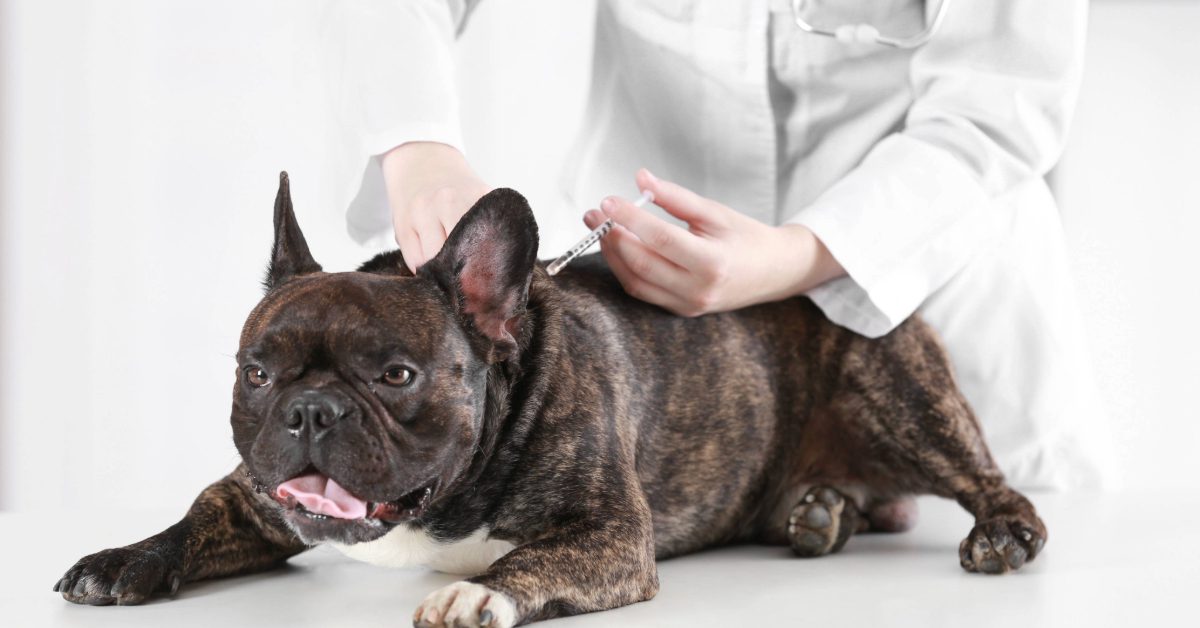
Yes, and prevention is straightforward. Vaccination against leptospirosis in dogs is available and highly effective. The leptospirosis vaccine is considered a non-core vaccine, meaning it isn’t automatically given to every dog, but it is strongly recommended for dogs with any outdoor exposure, particularly those in areas with wildlife activity or standing water.
The Leptospirosis Vaccine for Dogs
The leptospirosis vaccine protects against the most common Leptospira serovars that cause disease in dogs. It requires an initial series of two doses given three to four weeks apart, followed by annual boosters. At Cornerstone Veterinary Clinic, our veterinarians evaluate each dog’s lifestyle and geographic risk factors to determine whether the leptospirosis vaccine is appropriate and to build an individualized vaccination schedule.
Additional Prevention Strategies
In addition to vaccination, pet owners can reduce their dog’s risk of leptospirosis by discouraging drinking from puddles, ponds, or standing water; limiting contact with wildlife and their habitats; controlling rodent populations around the home and yard; and washing hands thoroughly after handling a dog that may have been exposed.
When to Call Cornerstone Veterinary Clinic About Leptospirosis
If your dog has been exposed to standing water, wildlife, or other potentially contaminated environments and begins showing any of the signs described in this article, contact Cornerstone Veterinary Clinic in Piqua, OH right away. Leptospirosis progresses quickly, and early veterinary evaluation can make the difference between a full recovery and serious, lasting organ damage.
Whether you’re concerned about potential exposure or want to get your dog vaccinated against leptospirosis, our team is here to help. Call us at (937) 773-8060 or book an appointment online and let us help you protect your dog and your family from this preventable disease.
Recent Posts
About Us
Small description of the practice goes here - maybe pull from the About Us page?